The Shift from Legacy TMS to Next-Gen Logistics Operating Systems (LOS)
Why traditional Transportation Management Systems are failing modern supply chains, and how a unified Logistics Operating System (LOS) drives end-to-end operational control.
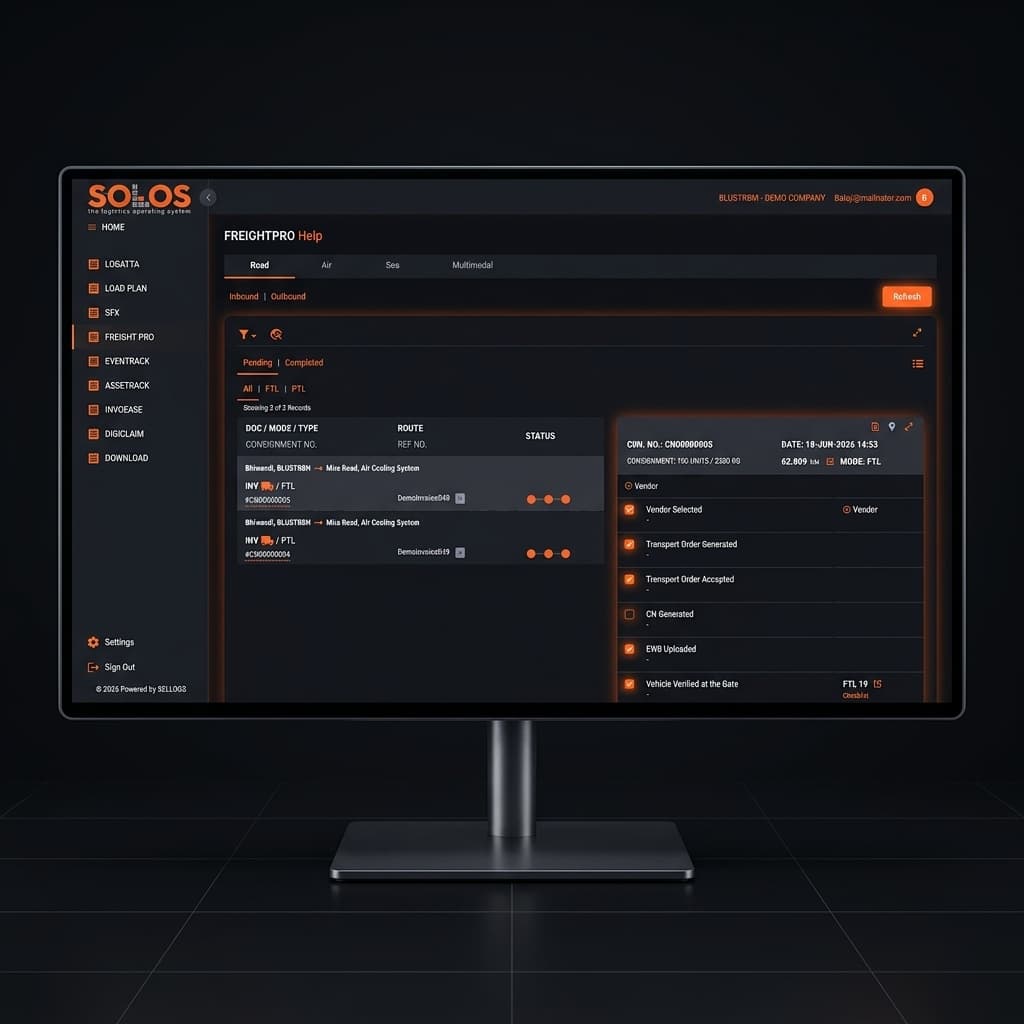
The Limitations of Legacy TMS Solutions
For the past two decades, enterprise supply chains relied heavily on traditional Transportation Management Systems (TMS). While TMS software succeeded in digitizing basic carrier dispatching and freight bill processing, modern global trade demands far greater agility.
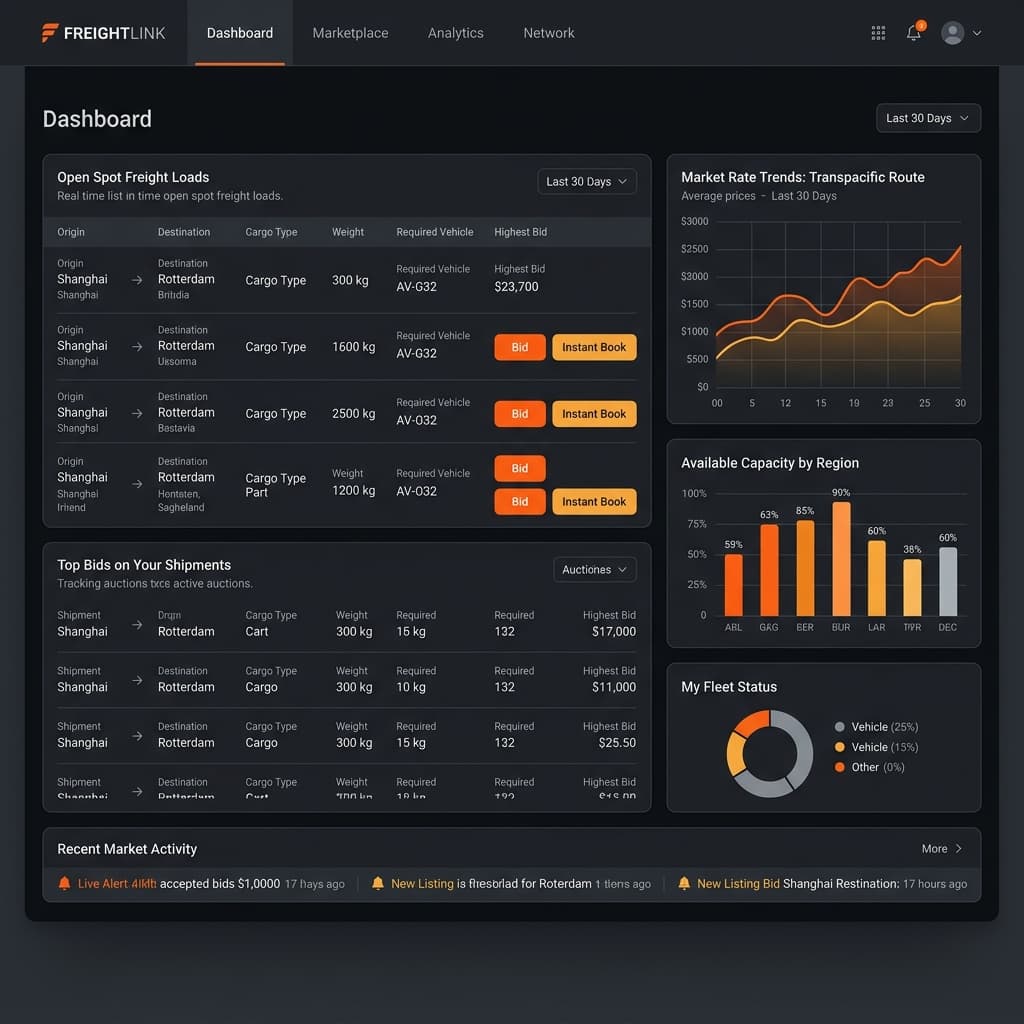
Legacy systems operate in isolated silos. They fail to orchestrate live data flows between ERP systems, warehouse management (WMS), digital spot exchanges, and third-party logistics (3PL) providers. This lack of integration forces logistics managers into manual spreadsheet tracking and delayed exception management.
- Fragmented data silos across carriers, suppliers, and internal ERP systems
- Inability to run automated multi-modal route and load optimization
- Lack of predictive ETA tracking and real-time geofencing alerts
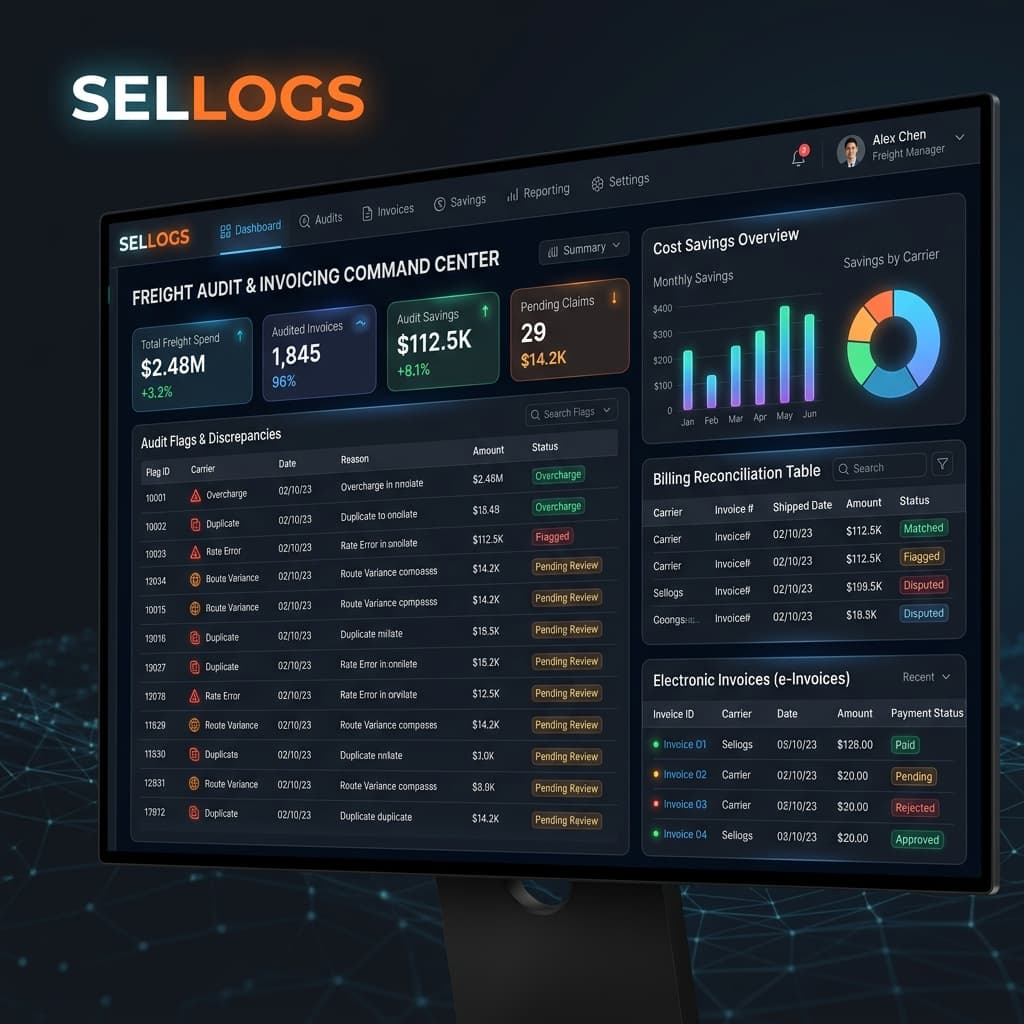
- High manual overhead for freight audit, rate calculation, and invoice matching
What is a Logistics Operating System (LOS)?
A Logistics Operating System (LOS) represents an architectural evolution. Rather than serving as a passive record system for shipment execution, an LOS acts as an active digital control tower.
By unifying rate procurement, load planning, live telemetry tracking, invoice reconciliation, and carrier scoring into a singular intelligence layer, an LOS enables real-time decision-making across the entire logistics lifecycle.
“An LOS doesn't just record what happened in your supply chain—it actively predicts, orchestrates, and optimizes every leg of the journey before delays impact your bottom line.”
Key Business Outcomes of Transitioning to an LOS
Enterprises adopting Sellogs SOLOS experience dramatic improvements in operational performance and financial transparency. By replacing fragmented point-solutions with an LOS, logistics teams unlock unprecedented efficiency.
- 15-20% reduction in total logistics spend via automated freight procurement and rate card compliance
- Improvement of On-Time In-Full (OTIF) delivery metrics from ~82% to over 98%
- 90% reduction in manual billing exceptions through automated 3PL self-invoicing (InvoEase)
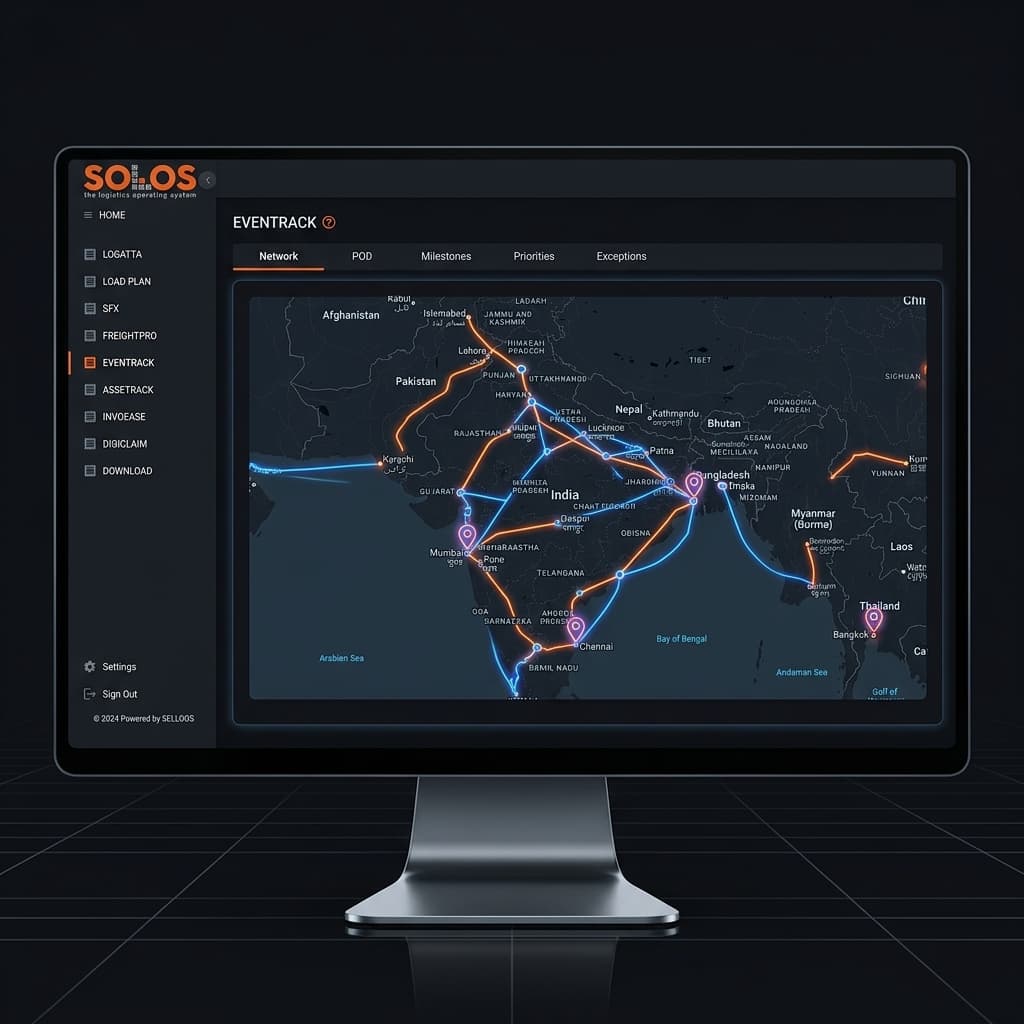
- 100% real-time visibility across active lanes with automated SIM & GPS tracking (EvenTrack)

Sujit Varma
Founder & CPO at Sellogs
Spearheading innovation across enterprise supply chain digitization, automated freight procurement, and SOLOS control tower architectures.